Why Posture Assessment is Key to Long-Term Pain Management.
When it comes to managing chronic pain, your posture may not be the first thing that comes to mind—but it should be. How you sit, stand, and move can have a profound impact on how your body feels and functions. Imbalances in your alignment can contribute to back pain from bad posture, chronic joint discomfort, and reduced mobility. Posture assessment helps you identify these imbalances early, helping you address the root cause of your pain and reduce your risk of future injury.
At Extension Health, we emphasize the connection between posture and pain relief. Through detailed posture assessment and targeted treatment protocols, we help patients pinpoint the source of their discomfort and develop strategies to correct it. From improving mobility to preventing lower body injuries, proper alignment is key to moving and feeling your best.
The Link Between Chronic Pain and Poor Posture
Chronic pain is one of the leading causes of disability in the U.S., and it’s becoming increasingly common. In 2021, the CDC reported that 51.6 million adults experienced chronic pain lasting longer than three months. Poor posture may not be the root cause of chronic pain, but it can significantly worsen it.
Modern life makes it far too easy to lose sight of our posture—most of us spend hours hunched over screens. Over time, this creates unnecessary strain on the spine and surrounding muscles. Ever finish a workday only to realize your neck, shoulders, and back are aching from sitting too long? That discomfort is often the result of poor posture, which can gradually lead to chronic pain.
Imbalances in posture force your muscles and joints to compensate, creating pain in unexpected areas. For example, poor posture often puts extra stress on the lower back, which can worsen over time. A posture analysis takes the guesswork out of identifying these imbalances, providing a detailed image of your alignment. It helps you see how spinal issues can also affect your knees, hips, and shoulders, helping you take targeted steps to correct them.
The Importance of Posture Assessment
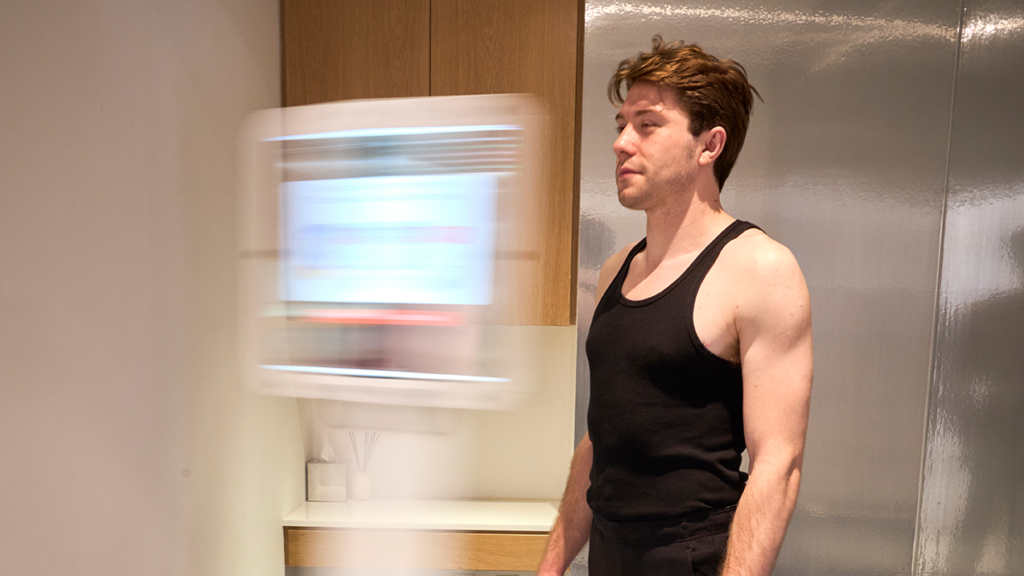
One of the biggest challenges in managing chronic pain is identifying its source. Posture analysis removes the guesswork by providing a clear, detailed picture of your musculoskeletal structure. Advanced scans highlight where imbalances exist—whether it’s forward head posture, uneven hips, or excess spinal curvature—so you can take precise steps to correct them.
Instead of relying on assumptions, posture analysis gives you a customized roadmap to improve your alignment and reduce pain. This data-driven approach helps you prevent injuries and improve your long-term mobility.
How the 3D Postural Alignment Scan Works
When you get a posture analysis at Hudson Medical, you receive much more than a list of imbalances. You leave with a personalized movement plan tailored to your body’s unique needs. Here’s how the 3D Postural Alignment Scan works:
- Advanced Camera Technology: The scan captures over 1 million unique data points in just 30 seconds, creating a 3D image of your body.
- Scan Results: You receive a detailed view of your musculoskeletal structure, highlighting misalignments and areas at risk for injury.
- Personalized Movement Plan: Machine learning processes your data to deliver a fully customized movement plan. For example, if your scan reveals excess strain on your lower spine, your plan may include exercises to prevent lower back pain, improve spinal stability, and strengthen your core.
Correcting these imbalances not only helps reduce pain but also enhances performance and prevents future injury.
When to See a Pain Management Doctor
If chronic pain is limiting your mobility or affecting your daily life, it may be time to consult with a specialist. Our pain management doctors in NYC take a whole-body approach to treatment. Combining advanced diagnostics with targeted therapies, we create personalized plans that address the root causes of pain—not just the symptoms.
These treatments can provide immediate relief for sciatica pain.
Sciatica is among the most common pain conditions, affecting up to 40% of people at some point in their life. Yet, despite its prevalence, this nerve pain remains largely misunderstood. Whether you’re seeking immediate relief for sciatica pain or want to prevent the pain from ever recurring, these sciatic nerve treatments and pain prevention methods are proven to reduce irritation.
But before we dive into proven treatments, let’s review some basic sciatica points.
What is Sciatica?
Sciatica refers to nerve pain radiating along the path of the sciatic nerve. It is technically not a condition, but rather a symptom of an underlying issue. This pain usually stems from compression or irritation of the sciatic nerve, which is the longest in the body—starting in the lower back and running down through the buttock and legs. When something like a bone spur or herniated disc compresses the sciatic nerve, it causes pain, numbness, tingling, or weakness thought the body parts along the sciatic path.
This nerve pain is often described as shooting or searing and unlike other common conditions where the pain is constant, sciatica is characterized by its flare-ups—often lasting anywhere from a few days to several weeks. Though flare-ups may dissipate on their own, that is not a reason to minimize this pain condition. Anyone who has experienced sciatica knows that the pain is, at best, destabilizing and, at worst, debilitating.
What causes sciatica?
Sciatica may occur as a result of a number of degenerative conditions or injuries, including:
- Herniated disc
- Lumbar spinal stenosis
- Lumbar degenerative disc disease
- Spondylolisthesis
- Muscle spasm
- Sacroiliac joint dysfunction
What is the best injection for sciatica?
Because sciatica pain typically occurs in spurts, lasting a few days to a few weeks before dissipating, some patients are hesitant to pursue pain interventions. But even if your Sciatica pain is not constant, it is still real—and sometimes debilitating. If you’re in need of immediate relief for sciatic pain—and rest and over-the-counter medications are just not helping—there are several pain management treatments and injections that can alleviate pain and irritation.
Immediate relief for sciatica pain
Epidural Steroid Injections:
- These injections deliver a corticosteroid medication directly into the space around the spinal cord and nerve roots (the epidural space). By decreasing inflammation around the nerve roots, steroid injections can alleviate compression and irritation of the sciatic nerve, leading to reduced pain, numbness, and other symptoms of sciatica. The anesthetic medication combined with the steroid in the injection can provide immediate, short-term pain relief while the steroid takes effect over the next few days to provide longer-lasting relief.
Sacroiliac Joint Injections
- If sciatic pain stems from sacroiliac joint dysfunction, then a sacroiliac injection may help to alleviate discomfort. During a sacroiliac joint procedure, medicine (comprised of a local anesthetic and steroid medication) is injected into the sacroiliac joint, which is located at the sacrum. A randomized study randomized demonstrated that intra-articular injections of corticosteroids into the SI joint provided significant pain relief in 50% of patients with SI joint-related leg pain, which includes sciatica-like symptoms
Facet joint injections
- Inflamed or misaligned facet joints can contribute to irritation around the sciatic nerve. Facet joint injections are a procedure in which medicine (a mix of a local anesthetic and steroid medication) are administered into the facet joints, which are located in the vertebrae and allow for movement. If these joints degenerate, they cause irritation around the nerve.
Injections may help with spinal nerve pain symptoms temporarily, but they do not cure the underlying condition. Ultimately, their effectiveness varies from person to person and may have risks like infection, nerve damage, or temporary worsening of symptoms.
Your pain management doctor will determine which treatment is best for your sciatic based on your underlying condition and the root source of the nerve irritation.
How to keep your sciatic nerve healthy
Beyond in-patient treatments and nonsteroidal anti-inflammatory medication, there are other lifestyle shifts and alternative therapies you can incorporate into your day-to-day to reduce your risk of sciatic nerve pain.
- Schedule time for exercise: Exercise is one of the most effective preventive measures for nerve irritation. Though sciatica specifically stems from nerve irritation, stiff muscles surrounding the nerve contribute to an overall feeling of tightness and discomfort. Incorporating movement into your scheduled every single day keeps your muscles loose.
- Work with a physical therapist: If you’ve dealt with sciatic nerve pain in the past and want to keep the pain from returning, physical therapy can teach you proper stretching and core-strengthening exercises that are specifically tailored to your body and how you move.
- Pay attention to your posture: Ultimately, sciatica is the result of compression along the nerve. Over time poor posture puts excessive strain on your back, which can lead to strained back muscles and misalignment. Sitting up straight, taking breaks from sitting during the day, and maintaining an upright, neutral spine while you walk are all small changes that have a big impact on your spinal health.
- Maintain a healthy weight: Carrying excessive weight also places extra pressure on your spine and back muscles, and studies show that obesity is a risk factor for recurring sciatic nerve issues.
Whether you’re seeking immediate relief for sciatica pain, or hoping to prevent the onset of future flare-ups, it’s vital to pay attention to your spinal health as a whole. The more you can support your spine with movement, weight management, and posture control, the more you can reduce your chances of spurring on intense nerve pain flare-ups.
References
Fortin JD, Vilensky JA, Merkel GJ. Can the sacroiliac joint cause sciatica? Pain Physician. 2003 Jul;6(3):269-71. PMID: 16880870.
Visser LH, Woudenberg NP, de Bont J, van Eijs F, Verwer K, Jenniskens H, Den Oudsten BL. Treatment of the sacroiliac joint in patients with leg pain: a randomized-controlled trial. Eur Spine J. 2013 Oct;22(10):2310-7. doi: 10.1007/s00586-013-2833-2. Epub 2013 May 30. PMID: 23720124; PMCID: PMC3804708.
Our founder Dr. Jonathann Kuo, MD recently spoke to our referral partners over at The Lanby about the future of pain management, the role of hospitality in healthcare, and ketamine.

What advancements or research within the field of pain management are you currently most excited about?
I am enthusiastic about several recent advancements in pain management research— particularly in the areas of regenerative medicine, neuromodulation, and advanced, minimally-invasive techniques for chronic pain relief. In regenerative medicine there have been rapid and significant developments in biologics and orthobiologics, aimed at enhancing the body’s natural healing processes by activating intrinsic pathways. We’ve achieved notable success with a combination of treatments, including platelet-rich plasma, bone marrow stem cells, placental matrix, exosomes, Wharton’s Jelly, and other sophisticated biologics, as well as peptides.
Another intriguing area is neuromodulation, which involves increasingly advanced neuro-stimulation devices. These devices can modify the mechanism and perception of pain by precisely targeting spinal nerves and delivering specific electrical impulses to alter pain perception.
I’m also excited about the use of various minimally-invasive procedures to treat chronic pain, including lumbar decompression (the MILD procedure), Intracept or basivertebral nerve ablation, and spinous process spacers for spinal stenosis treatment.
The field of pain management is rapidly evolving with technological advancements, and it’s thrilling to be at the forefront of discovering new methods for pain treatment.
What role does ketamine therapy play in addressing pain and associated mental health concerns?
Ketamine therapy is emerging as a promising treatment for both chronic pain and associated mood disorders, particularly depression. Recognized as a safe, dissociative anesthetic, ketamine creates a unique out-of-body experience akin to a psychedelic-like state. This effect has the potential to restructure existing thought patterns, enhance neuroplasticity, and promote neuronal growth. By doing so, it addresses not just the physical aspects of chronic pain, but also its mental manifestations, including commonly associated mood disorders, like depression and anxiety.
Ketamine has a long-standing medical history, but its application in pain and mood disorder management has gained significant momentum recently. Its safety profile is well-established, and our practice has observed notably positive outcomes when ketamine is integrated with other treatment modalities. This synergy enhances the overall efficacy of our approach to managing the complex interplay of physical pain and mental health concerns.
At The Lanby, we value hospitality as a key factor in optimizing health outcomes. In what way do you apply the tenets of hospitality to your approach to care?
At Hudson Health, our care philosophy is deeply rooted in the principles of hospitality, ensuring that each patient receives a personalized treatment experience. We understand that chronic pain is a multifaceted issue, encompassing both physical and psychological aspects, and our approach is tailored to address these diverse needs.
Our commitment to hospitality is evident in several key aspects of our approach:
- Customized Treatment Plans: We recognize that each patient’s journey with chronic pain is unique. Therefore, we dedicate ourselves to creating individualized treatment plans that cater to their specific needs.
- Holistic Care: We take a comprehensive view of pain management, considering both the physical and psychological components of chronic pain. This holistic perspective is crucial in providing effective and empathetic care.
- Soothing Environment: We believe that the ambiance of our office plays a significant role in the healing process, and we have meticulously crafted a calming environment that supports this belief.
You can read Dr. Kuo’s full interview over on The Lanby Blog.
A stellate ganglion block (SGB) injection is a local anesthetic injection and minimally invasive procedure used to treat a wide range of conditions, including pain, hot flashes, and sleep disturbances. Recent evidence shows that SGB injections may also treat post-traumatic stress disorder (PTSD) when other treatments have failed to reduce symptoms.
Hudson Medical has extensive experience in SGB treatment for PTSD and can answer any questions you may have about this treatment. Here’s a closer look at what SGB injections are, how they work, and how you can book a consultation with us to see if you are a candidate for this treatment.
What Is Stellate Ganglion Block Treatment?
SGB treatment targets a group of nerve cells inside the neck known as the stellate ganglion. The stellate ganglion is part of the sympathetic nervous system and plays an essential role in a person’s “fight or flight” response during potentially threatening situations.
SGB has been used for several years to reduce pain in the head, face, chest, neck, and arms. It may also improve circulation in the upper part of the body and decrease excess sweating and hot flashes. It may now be used to successfully treat PTSD with fewer risks and side effects than that associated with medications and many other traditional PTSD treatments.
During SGB treatment, we use X-ray and ultrasound to carefully guide a needle into the Stellate Ganglion at the base of your neck. We then inject a local anesthetic agent into the nerve tissue, similar to how a dentist may numb your gums before dental surgery. The anesthetic usually wears off after a few hours, though the effects of SGB treatment often last for several weeks or months.
Here at Hudson, we have extensive experience with using SGB injections to treat PTSD. In our experience, most patients notice a significant difference in their symptoms immediately after the injection. There are instances where the blocks need to be repeated, on the same side of the neck or the opposite side. In some cases, we also apply a Pulsed Radiofrequency to the Stellate Ganglion to further extend the results.
How Does Stellate Ganglion Block Help with PTSD?
PTSD is characterized by symptoms including flashbacks of the traumatic event, frightening thoughts, and avoidance of places and feelings related to the traumatic event. PTSD often triggers the fight-or-flight response to keep people in a constant state of stress and fright. SGB treatment can help reduce this fight-or-flight response in patients with PTSD to help them feel more at ease and recover from this serious anxiety disorder.
A JAMA Psychiatry study published in the fall of 2019 compared the effects of SGB treatment with placebo in military personnel diagnosed with PTSD. Researchers learned that PTSD symptoms in the group who received SGB treatment improved by 34% over eight weeks compared with 15% over the same period in the placebo group.
Many people with PTSD suffer from other symptoms and health conditions that can be improved with SGB treatment, such as insomnia and chronic pain from injuries that may have occurred in combat. The effects of SGB on people with PTSD may also help these individuals relax enough to engage in other treatments such as support group therapy and trauma-focused psychotherapy.
If unsure whether you represent an ideal candidate for SGB injections for PTSD, make an appointment with one of our doctors at Hudson Medical. Our team at Hudson Medical has extensive experience with this unique and alternative treatment method.
Contact us today at 646-596-7386 to schedule a consultation or request a consultation online. Our medical providers remain on standby to answer your questions about our many wellness and pain management services.
References:
https://jamanetwork.com/journals/jamapsychiatry/fullarticle/2753810
https://www.nimh.nih.gov/health/topics/post-traumatic-stress-disorder-ptsd/index.shtml
https://www.ncbi.nlm.nih.gov/pmc/articles/PMC5047000/
https://www.ncbi.nlm.nih.gov/books/NBK4422
Effectively managing pain is a problem confronting millions of patients; treatment is complex and often comes with risks, whether surgery or opioids are indicated. At Hudson Medical, we take a sophisticated, multidisciplinary approach to treat pain effectively and expeditiously, and we welcome a new modality in the field of pain management with incredible potential to treat pain: cryoablation therapy.
While the path to pain relief is often rocky, it is important to look toward new technologies that are less invasive and have longer-lasting effects. Where many people don’t respond to conventional methods of pain relief, improved pain control regimens have been using new approaches that can further reduce the need for opioid analgesics.
Cryoablation is an innovative procedure that applies extreme cold to destroy or inactivate tissue. This medical technique has been used to kill cancer cells, correct an irregular heartbeat, and most successfully, relieve pain. For the latter, surgeons have exploited the mechanism behind cryoablation — which is theoretically similar to applying cold to numb, or anesthetize, a body part — as an agent to block nerve pain.
As a cutting-edge health facility, Hudson Medical sees nerve cryoablation as an attractive option for patients suffering from chronic pain. Though rather new, cryoablation can provide better pain control than some traditional thermal radiofrequency ablations.
What Is Nerve Cryoablation?
Put simply, cryoablation for treating pain is a procedure in which the physician freezes the peripheral nerve responsible for transmitting pain signals to your brain. It involves the precise localization of the offending nerve. Cold temperatures applied to the tissue then damage it enough to interfere with pain signals, effectively shielding the brain from experiencing pain.
Along with the peripheral nerves indicated in pain, at Hudson Medical, the most common targets for cryoablation treatments include the genicular nerves for chronic knee pain, medial branch nerves for arthritis of the spine, and occipital nerve ablation for headaches.
In a cryoablation procedure, a thin, hollow needle called a cryoprobe is inserted into the skin and advanced toward the offending nerve under X-ray or ultrasound guidance. CO2 gas is then pumped through a tiny nozzle on the end of the hollow needle, which freezes the needle tip to -80 degrees Celsius and is used to selectively numb a section of the nerve.
This may not be a permanent solution to pain control, but it is safe and can provide relief for 6-12 months and even longer in many cases. Cryoablation can be repeated if the pain returns (and as the nerve regenerates).
How Does Cryoablation Work?
Cryoablation is an outpatient procedure performed in an operating suite while the patient is under minimal sedation for their comfort. The surgeons will locate the target nerve and treat it with extreme cold, effectively freezing the nerve and blocking it from transmitting pain.
Identifying the Target
Perhaps the most important step of a cryoablation procedure is to single out the nerve responsible for signaling pain. Common x-ray or ultrasound technology is most often used to identify the suspected site of pathology, but in some cases, a nerve stimulator is required to detect the offending nerve.
Positioning the Cryoprobe
After localizing the target nerve, the cryoprobe is inserted. Under imaging guidance, the hollow needle is advanced toward the previously identified nerve or pathology. Usually, CO2 gas is delivered through the center of the needle, drastically lowering the temperature around the targeted nerve (as low as -80 degrees Celsius).
Cryoablation Freeze Cycle and Size
Once in position, appropriate freeze and defrost cycles are initiated. The probe temperature is initially lowered to -80 degrees Celsius for a 2-minute period. A passive thaw cycle is undergone following the freeze cycle. The freeze/thaw cycle is usually repeated several times during a session. Each cycle increases the degree of nerve disruption: after adequate thawing, the subsequent freeze cycle serves to decrease temperatures at sites further from the probe, increasing the size of the freeze zone.
Recovery and Side Effects
The procedure can take up to 40 minutes, depending on the area being treated. Patients may feel pain or discomfort as the surgeon proceeds to localize the offending nerve, and some patients report a burning sensation for the first 30 seconds of the initial freeze cycle; however, the rest of the procedure has been described as totally painless.
For a week or two following cryoablation, the patient may experience muscle spasms due to tissue contact with the freezing cryoprobe. That said, it is safe for people to return to their regular activities one to three days after the procedure. The process can be repeated as needed, and there is no evidence of permanent neurologic damage as a result of multiple cryoablation procedures.
What Is the Mechanism of Nerve Injury in Cryoablation?
The target of nerve cryoablation therapy is actually the protective myelin layer surrounding the nerve. Damage to the myelin sheath is sufficient for interrupting pain signals to the brain. The myelin sheath allows for nerve impulses to be quickly transmitted along the long nerve axons; freezing the myelin proteins causes their breakdown, stopping the pain signal in its path.
In other words, without its protective sheath, the nerve can no longer communicate with the brain. The nerve will eventually rebuild myelin, which is why cryoablation is not considered permanent and may need to be repeated.
While low temperatures cause demyelination, nerve freezing further causes ice crystals to damage the small blood vessels supplying the nerve (called the vasa nervorum) leading to the degeneration of targeted nerves. In some cases, the process of regeneration can correct the original pathology.
How Has Cryoablation Changed the Focus of Pain Relief?
Pain can be the result of disease, physical injury, and inflammation. Inside the body, if sensitive tissue is hit during a procedure, it can cause nerves to misfire — the pain pathway once established is often permanent. Usually, it’s too dangerous to remove the offending nerve, it can even be fatal, and the option to freeze it is far more desirable.
Historically, pain treatments focused on spine and spine pathology rather than on the nerve itself. However, a renewed spotlight on the role of peripheral nerves in causing pain is paralleled by a renewed interest in cryoablation therapy for long-term pain management. To be sure, cryoablation is indicated for deep nerves as well as for various nerve pathologies such as neuromas (pinched or compressed nerves) and entrapment of peripheral nerves.
Left untreated, both neuromas and entrapment of peripheral nerves can develop into significant and debilitating problems, including peripheral neuropathy and complex regional pain syndrome. A simple injection of extreme cold can draw rapid, lasting relief. Cryoablation may even help correct the original pathology: as the nerve regenerates, entrapment does not occur again.
What Role Does Cryoablation Have in Modern Pain Management?
Using cold for pain relief has been documented in ancient civilizations, including by Hippocrates in Greece and by ancient Egyptians. Many descriptions of cryoanalgesia are reported throughout history in which tissues were treated with extreme cold for an anesthetic or to relieve pain following a major procedure. Modern use of cryoablation can be traced to the early 1960s, in which a device akin to the cryoprobe was first developed.
In its current iteration, cryoablation was originally indicated to alleviate terminal cancer patients of pain. Only recently has it been adopted for wider use and in otherwise healthy patients. Today, clinical applications include migraine headache, sinusitis and other craniofacial neuralgia, chest pain, abdominal and pelvic pain, back and lower extremity pain, chronic knee pain, arthritis, and peripheral neuropathy (often caused by distal nerve entrapments associated with diabetes and autoimmune disorders).
Cryoablation requires access to special equipment and a specific skill set which most healthcare facilities lack. Hudson Medical offers a comprehensive approach to pain management supported by highly specialized staff and the most advanced treatment modalities available, inspiring confidence and renewed hope for pain-free living.
Only facilities with specialized services have the expertise to perform cryoablation. To find out more, schedule a consultation with one of our Pain Management and Restorative Medicine specialists at Hudson Medical today!
References:
Bloudoff-Indelicato M. Freezing nerves may relieve chronic pain. Everyday Health [published online August 1, 2013]. https://www.everydayhealth.com/pain-management/freezing-nerves-may-relieve-chronic-pain.asp
Trescot AM. Cryoanalgesia in interventional pain management. Pain Physician. 2003;6:345-360. https://www.painphysicianjournal.com/current/pdf?article=MTk1&journal=16
Tips to help you stay focused from Hudson Wellness Chiropractor Kaitlyn Clarke, DC, CNS.
Claim your home workspace:
Set aside a dedicated space for you to work from, ideally free from distractions. If you don’t have this space, you will lose focus, end up working from your couch or off your coffee table. Sure this might seem comfy for now, but over the extended period of time that you will be working from home, can be detrimental to your body, causing you to lose energy and focus.
Set your space up for success:
Make sure you are in as ergonomically friendly position as possible. Your chair should support you in an upright position. Situate yourself all the way back so that your back is fully against the chair, and your hips are at a 90 degree angle. Your feet should be resting comfortably on the floor, if not then make sure to get a footrest to prop them up on! Pull your chair close and pull your mouse and keyboard towards you so that you are not reaching forward. Adjust your monitor so that the top half of the screen is eye level.
Take breaks and keep moving!
Try the stretches below every 1-2 hours. With all stretches, make sure you practice mindful breathing! Using the following calming technique: breath in through your nose for a count of 4, then exhale through your nose or mouth slowly, for a count of 8. Make sure to breathe as deep down into your belly as possible!
- Neck: Hold onto the side of your chair with your right hand. Tilt your head to the left and reach your right ear up towards the ceiling until you feel a stretch on the side of your neck and into the top of your right shoulder. Repeat on your left side
- Arms & torso: Reach hands overhead and interlace fingers. Lean to your right side, being mindful of your breath; sending it as far down as possible to feel a stretch on the left. Repeat on the right side!
- Legs & Back: Stand up behind your chair, hold onto the back of the chair while you step your body back and hinge at your hips to create an upside down “L”. You should feel a nice stretch in those hammies and in your back!
+BOOK NOW
What is Radiofrequency ablation?
Radiofrequency ablation (RFA) is a quick outpatient procedure used to treat chronic neck and back pain. The procedure involves the use of thermal probes to target nerves carrying pain signals from the spine. This effectively blocks the pain signals from being transmitted, providing patients with pain relief for around 6 months to a year.
Who is a candidate for Radiofrequency ablation?
RFA is indicated as a treatment for patients with chronic low back pain related to spinal arthritis and other degenerative conditions of the spine. Those who are suffering from discogenic spinal pain or chronic back pain due to degeneration of cartilage in the facet or sacroiliac joints may be candidates for treatment if they have not found relief from more conservative treatments. Before a patient undergoes RFA, a series of diagnostic nerve blocks is first administered to confirm the target location for the injection.
Is this procedure backed by scientific research?
There is a well-established body of evidence showing the benefits of radiofrequency ablation for the treatment of low back pain and neck pain. Numerous well designed and rigorous clinical studies have been performed which have demonstrated statistically significant and prolonged pain relief for patients with low back pain related to arthritis of the spine. Some of these studies include the following:
- In 2013, a randomized, placebo-controlled study on 59 patients with a history of chronic lower back pain found that patients treated with radiofrequency ablation had significantly greater improvements in pain and function than the patients who were given the placebo treatment at the 6-month follow up.1
- A 2010 study conducted on 104 patients with chronic neck pain found that repeated cervical radiofrequency ablation significantly improved quality of life, pain measures, and range of motion in treated patients for 10 months post-procedure.2
1 https://www.ncbi.nlm.nih.gov/pubmed/23279658
2 https://www.ncbi.nlm.nih.gov/pubmed/20667024
- Pain is a complex experience and the root cause of a symptom can be challenging to determine. For example, a patient with an underlying problem in the hip (ie. arthritis, labral tear, etc.), may actually experience no pain in the hip itself, but rather “referred” pain in the leg. Our team of pain management physicians at Hudson Medical are some of the best in the city, and have vast experience in utilizing diagnostic imaging, medical history, and physical examinations to determine the underlying cause of a patient’s symptoms.
- Even if people have the same underlying problem, injury or pathology, each person may experience pain and symptoms very differently. For example, a very common spinal problem is a herniated disc; for one person, this may manifest as sharp and shooting pains down the leg, while for other people the symptoms may be localized mostly to the back itself, and may be described as dull or achy. Given the wide variety of how we experience symptoms, treatment plans can also vary widely. Your pain management doctor will work with you to develop a tailored management plan that most often involve a combination of treatments, including minimally invasive interventions, physical therapy, and medications.
- Self-medicating and selecting pain medications on one’s own is generally not recommended for people with chronic pain. Over-the-counter medications such as aspirin or ibuprofen are helpful medications for the short-term, but can cause side effects if taken over many years. Other medications, such as opioids, also have side effects and can lead to dangerous sequelae such as tolerance and addiction. While some pain medications, including opioids, are reasonable to be taken over the long term, it is imperative that these medications be prescribed under the supervision of a well trained provider who is able to anticipate possible negative side effects and adjust treatment plans accordingly.
- Physical therapy is one of our first lines of defense against chronic pain, and it is almost universally incorporated into our treatment plans. Patients do best when physical therapy is combined with interventional treatments and occasionally with medication therapy. At Hudson Wellness, our elite team of physical therapists work closely with each patient to develop a personalized regimen that includes therapeutic exercises, pilates principles, kinesiology, and pressure techniques with the goal to build strength and regain mobility.
- When people sustain an acute injury, rest is generally recommended as part of the treatment plan. For patient with chronic pain, however, the data very convincely demonstrates that the opposite approach is actually the surest way to recovery; that is, patient with chronic pain do best when they stay active, participate in physical therapy and get regular exercise. Conversely, inactivity and a sedentary lifestyle can exacerbate the symptoms of pain for nearly every pain disorder.
Keep these 5 things in mind and you should have a better understanding of your road to recovery. It is important to set realistic expectations, and these should be discussed with your pain management physician. Ask your doctor if you have any further questions about your treatment plan.
Experiencing lower back pain? You’re not alone. Learn about new scientific research studies on back pain prevention, causes, and treatments. This article is a first step in treating your back pain.
The full study is a combination of 80-plus studies which upends the conventional wisdom on back pain.
Read the full study here: https://www.vox.com/science-and-health/2017/8/4/15929484/chronic-back-pain-treatment-mainstream-vs-alternative
Worldwide, low back pain affects 80% of adults at least once in their lifetime, and it is the most common cause of disability among Americans age 45 to 65. Intervertebral disc degeneration is one of the most prevalent etiololgies, accounting for ≥40 % of chronic low back pain.
The intervertebral disc plays an important role in maintaining mobility and stability of the adult spine.
Recently studies have emerged supporting intradiscal platelet rich plasma as a safe and possibly therapeutic agent for this disabling condition, as well as being a sustainable cost-efficient treatment option.
These procedures can be performed in the outpatient setting in about 30 minutes and are about one tenth the cost of a spinal fusion.